
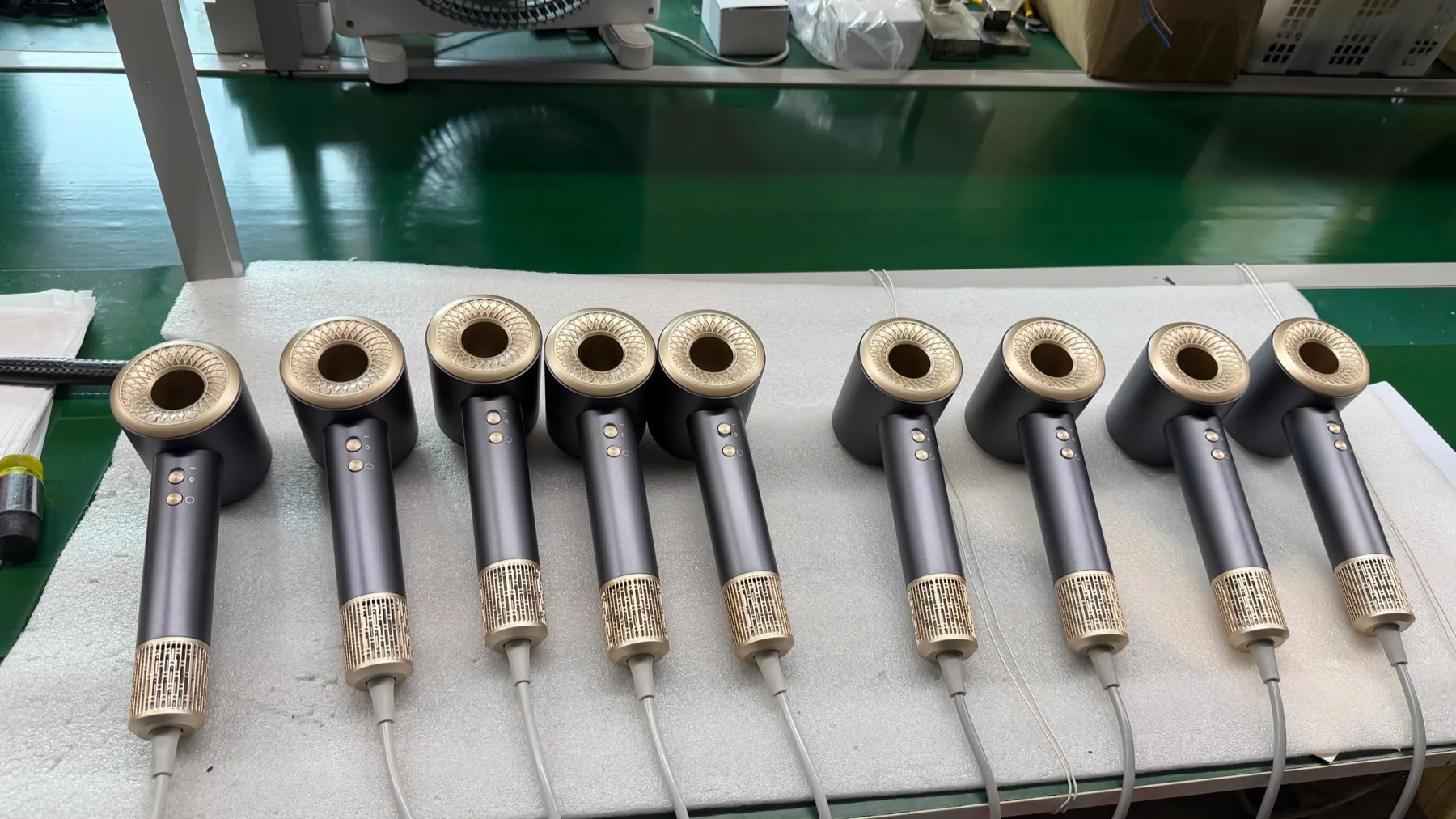
A high-speed hotel hair dryer sample should be evaluated under recorded conditions, not approved from airflow felt by hand. Compare the drying result and the guest-use experience while keeping each observation tied to the model and settings tested.
Use the six checks below to make samples comparable and to record what still needs confirmation before bulk procurement.
1. Record the Sample and Test Conditions
Create one record for each sample before testing. Keep the environment and evaluation method as consistent as practical.
- ☐ Record the exact model, configuration, voltage, frequency and plug type.
- ☐ Record the test date, tester and comparison product.
- ☐ Note the room conditions and each model’s speed and temperature settings.
- ☐ Decide which operating combinations and methods you will compare.
Setting labels are not directly equivalent between models: “speed 2” may produce different airflow or temperature on two dryers. Compare maximum output separately if relevant, and attach the actual settings to every result.
2. Evaluate Actual Drying Performance
A hand check of airflow is only a first impression. To compare drying time, use comparable starting conditions, drying methods and predefined completion criteria.
- ☐ Keep the hair or test material and starting moisture as consistent as practical.
- ☐ Use the same drying method and define the endpoint before starting.
- ☐ Record the speed and temperature used for each sample.
- ☐ Repeat the test where practical and note variation between runs.
If those conditions cannot be kept reasonably comparable, record the result as user feedback rather than a controlled drying-time comparison.
3. Review Temperature and Controls
Test the settings guests would use during normal drying, including changes made while holding the dryer.
- ☐ Check the available speed, temperature and cold-air controls, where applicable.
- ☐ Check whether buttons and indicators are clear and easy to reach.
- ☐ Note accidental presses, confusing sequences or uncomfortable heat.
For any heat-related comment, record the model, setting, test duration and tester. A comment such as “uncomfortable at maximum heat after five minutes” is more useful than “too hot.”
4. Compare Noise Consistently
Compare samples in the same room when possible. Record the listening or measurement distance, position and operating settings so later reviewers know what was compared.
- ☐ Keep the distance, position and background noise consistent.
- ☐ Document the speed and temperature setting for each observation.
- ☐ Label perceived sound separately from measured sound levels.
- ☐ If measuring, record the equipment and method.
“Sharper at maximum speed” is a subjective observation. A phone recording may illustrate the sound, but it is not a calibrated sound-level measurement. Avoid precise noise claims without a suitable measurement method.
5. Check Weight and Handling
Measured weight and comfort in use answer different questions. Compare both with the intended product configuration.
- ☐ Use the same scale and weighing method; state whether the cord, plug and concentrator nozzle are included.
- ☐ Note grip, balance, control access and comfort through normal use.
- ☐ Record whether cord tension changes handling.
Two dryers with similar measured weight may feel different because of balance or cord arrangement. Review holders, cord options, storage and installation separately in the high-speed hotel hair dryer configuration guide.
6. Record Results and the Next Step
Keep observable results separate from preferences. For each issue, save the model, configuration, settings, tester and any relevant notes, photos or video. Record differences between testers rather than merging them into one verdict.
- ☐ Decide whether to proceed, test further, adjust the configuration or reject this sample.
- ☐ For each open question, name the follow-up action, owner and evidence needed for approval.
Functional sample evaluation does not confirm electrical compliance, safety functions, installation suitability, long-term durability or consistency between the approved sample and bulk production. Confirm those separately before approval.
To shortlist a model before requesting samples, compare ShanFlow high-speed hotel hair dryer models and confirm the configuration you intend to test.
Need Help Choosing Hotel Hair Dryers for Your Market?
Share the models, intended configuration and evaluation requirements for your hotel project.